
Glass That Earns Its Keep: Smart Glazing for South Africa’s Unforgiving Climate
South Africa’s climate does not compromise. From the Karoo’s 40-degree afternoons to Johannesburg’s sub-zero winter mornings, buildings face temperature extremes that most glazing systems were never designed to handle.
The solution is not smaller windows; it’s smarter ones.
Aluminium doors and windows paired with advanced glazing technology form a building envelope that actively manages heat, light, and energy, rather than simply blocking the weather.
This article breaks down how Low-E glass and double-glazing work, why the frame matters as much as the glass, and how the right specification changes depending on where in South Africa your project sits.
Key takeaways:
- Low-E glass reflects infrared heat without blocking light, cutting cooling loads year-round
- A sealed double-glazed unit acts as a thermal break in summer heat and winter cold alike
- Aluminium frames outperform PVC and timber in UV intensity, coastal corrosion, and long-term durability
- Getting SANS 10400-XA right starts with specifying the correct glazing system, not retrofitting later
What makes South Africa’s climate so demanding on buildings?
South Africa spans six recognised climate zones, ranging from subtropical coastal humidity to semi-arid interior extremes. What makes this genuinely difficult for building design is the combination of intense solar radiation, wide daily temperature swings, and the energy cost of managing both.
Most residential and commercial buildings compensate for a poorly performing envelope through HVAC systems. The result is a cycle of high running costs, thermal discomfort, and energy dependency that could have been avoided at the design stage.
The glazed portions of the building envelope are where the most significant thermal gains and losses occur.
Getting this right from the start is a far more effective strategy than engineering around it later. The GBCSA has consistently pushed for net zero carbon buildings, identifying the building envelope as a primary driver of operational energy use, as outlined in its national building energy performance work.
How does Low-E glass actually work?
Low-emissivity (Low-E) glass controls heat transfer through a microscopically thin metallic coating applied to the glass surface. This coating allows visible light to pass through freely while reflecting long-wave infrared radiation: the heat component of solar energy.
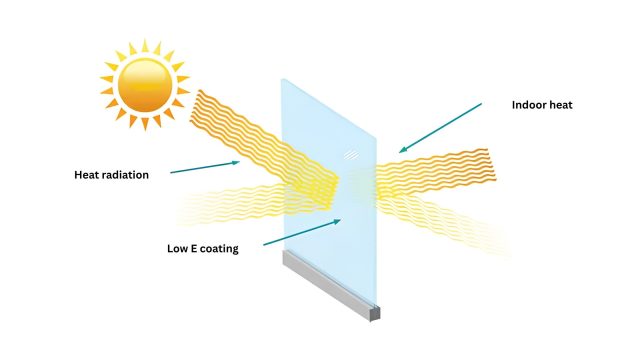
The practical result is a glass unit that fills a space with natural light while reflecting heat before it can enter. In summer, interiors stay cooler without sacrificing views or daylight. In winter, the same coating reflects interior warmth back into the room rather than letting it escape through the glass.
Two key metrics quantify this performance:
| Metric | What it measures | What ‘low’ means |
| U-Value (thermal transmittance) | How quickly heat moves through the glass assembly | Better insulation |
| SHGC (Solar Heat Gain Coefficient) | How much solar radiation enters as heat | Less solar heat gain |
Specifying the correct combination of U-value and SHGC for a given climate zone is what separates genuinely high-performance glazing from glass that merely looks good on paper.
Is double-glazing worth it in a warm climate?
Yes, and not only for the reasons most people assume.
Double-glazing is commonly associated with cold climates, where retaining indoor heat is the primary concern. In South Africa’s warmer regions, the benefit is equally significant but works in both directions. A double-glazed unit consists of two panes of glass separated by a hermetically sealed gap, typically 12mm, filled with air or an inert gas such as argon. This gap acts as a thermal break, slowing heat transfer regardless of which direction it is travelling.
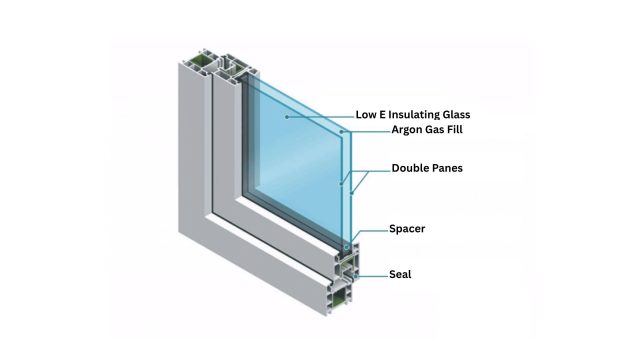
In summer, it reduces the rate at which outdoor heat penetrates the building. In winter, it reduces the rate at which indoor warmth escapes. The same sealed unit also reduces sound transmission, which matters for urban residential projects and commercial buildings near high-traffic areas.
For architects and developers specifying aluminium doors and windows across multiple climate zones, double-glazing is not a luxury upgrade. It is the baseline for a building that performs as designed.
Why does the frame matter so much?
High-performance glass underperforms in a poorly engineered frame. This is one of the most overlooked variables in glazing specification.
The frame performs three functions:
- It holds the glass unit securely
- It forms the seal between the glazing and the building structure
- It either resists or conducts heat at the building perimeter.
A frame that conducts heat creates a thermal bridge, a direct path for heat to bypass the insulating properties of the glass unit entirely.
Precision-engineered aluminium profiles, certified to SAFIERA standards and meeting structural requirements set by AAAMSA (the Association of Architectural Aluminium Manufacturers of South Africa), are designed to minimise thermal bridging while providing the rigidity needed to hold heavy double-glazed units across large spans. AAAMSA tests products against wind, water, and air performance criteria under SANS 613, and certification is required to obtain an occupancy certificate from the local council. Origin Doors and Window’s aluminium systems carry glazed panels across openings of six metres and beyond without deflection or seal failure.
Aluminium also outperforms the alternatives in South Africa’s specific environmental conditions:
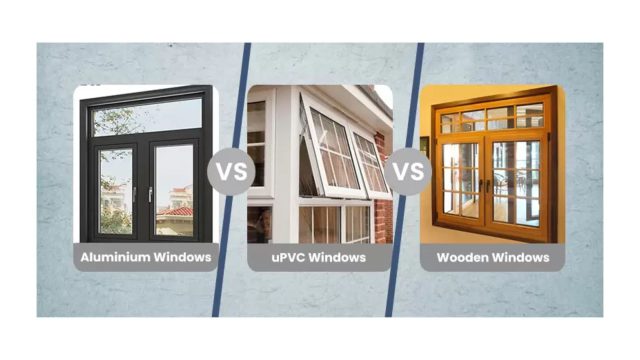
- Versus PVC: aluminium does not warp, yellow, or degrade under sustained UV exposure. PVC profiles lose dimensional stability in prolonged heat, which compromises both performance and aesthetics over time.
- Versus timber: aluminium requires no repainting, resealing, or treatment against moisture and UV. In coastal environments, it resists salt corrosion far more effectively than treated timber.
The structural and durability case for aluminium in South Africa is not marginal. It is substantial.
Does your project trigger SANS 10400-XA?
SANS 10400-XA is South Africa’s national building regulation governing energy efficiency in buildings. It sets minimum performance standards for the building envelope, including fenestration, and applies to all new buildings requiring council approval.
The regulation becomes particularly relevant when the glazed area of a building exceeds 20% of the net floor area. At that threshold, orientation-based calculations are triggered, requiring fenestration on north, south, east, and west elevations to meet specific U-value and SHGC targets, as set out in the SANS 10400-XA energy usage requirements.
Specifying high-performance aluminium doors and windows with compliant double-glazing and Low-E glass from the outset simplifies this process considerably. Buildings that specify compliant systems at the design stage pass council review without requiring redesign or costly product substitutions.
Non-compliant specifications discovered late in the approval process frequently result in plan rejections, project delays, and the added cost of retrospective upgrades. This is avoidable with the right specification partner.
Which specs apply to your climate zone?
South Africa’s climate diversity means a single glazing specification does not serve all projects equally. The correct combination of Low-E coating, gas fill, and frame thermal performance varies by location.
Coastal zones (Zones 1 and 5): Cape Town and Durban
Coastal projects prioritise solar control. The combination of high ambient humidity and intense solar radiation creates significant cooling loads for buildings with large glazed areas. A low SHGC is the primary target here, reducing heat gain while corrosion-resistant powder coatings protect aluminium profiles from salt-laden air.
Temperate interior (Zone 2): Johannesburg and Pretoria
The Highveld requires a balanced approach. Summers bring intense afternoon sun and electrical storms; winters drop to sub-zero overnight. The specification here targets a moderate SHGC for solar control combined with a low U-value for insulation, ensuring the building handles both extremes without overcorrecting for either.
Arid zones (Zone 3): The Karoo and Central regions
Arid zone projects face the most demanding performance requirements. Day-to-night temperature swings in the Karoo regularly exceed 20 degrees Celsius within a single 24-hour period. Maximum thermal performance is required: the lowest achievable U-value combined with precise SHGC control prevents the building from overheating by afternoon and losing all retained warmth by midnight.
Understanding which zone a project falls into, and specifying accordingly, is the difference between a building that meets code and one that genuinely performs well for the people inside it.
Frequently asked questions
What is the difference between Low-E glass and standard glass? Standard glass allows both visible light and infrared heat radiation to pass through freely. Low-E glass has a microscopically thin metallic coating that blocks long-wave infrared radiation while allowing visible light through, controlling heat transfer without reducing natural light.
Does double-glazing reduce noise as well as heat? Yes. The sealed air gap in a double-glazed unit interrupts sound transmission as well as heat transfer. For residential projects near traffic or urban noise sources, the acoustic benefit is a significant secondary advantage over single-glazed systems.
How do I know if my project needs to comply with SANS 10400-XA? All new buildings requiring council approval in South Africa must meet SANS 10400-XA requirements. If the glazed area of your building exceeds 20% of net floor area, orientation-based fenestration calculations are triggered. Origin’s technical advisory team can assess your project drawings and confirm compliance requirements before you submit for approval.
Why choose aluminium over PVC or timber frames in South Africa? Aluminium outperforms both alternatives in South Africa’s UV-intense environment. PVC degrades and warps under sustained heat; timber requires ongoing maintenance and is vulnerable to moisture and coastal corrosion. Precision-engineered aluminium profiles maintain dimensional stability, resist environmental degradation, and hold large double-glazed units without deflection over the lifespan of the building.
A building that performs well in South Africa’s climate does not happen by accident. It starts with glazing specified correctly, framed properly, and matched to the demands of the site. The result is lower energy costs, better thermal comfort, and a building envelope that meets compliance requirements without making architectural compromises.
Origin’s technical advisory team works with architects, developers, and project managers to specify the right combination of aluminium doors and windows, double-glazing, and Low-E glass for every climate zone and project type. Request a call back to discuss your upcoming project.