The Intelligent Envelope: Smart Glass, Solar Management, and the Future of South African Luxury
Don’t you love watching the sunlight pour through your windows, knowing your cooling bills won’t punish you later? That clarity, that confidence in your building’s performance, is what separates a house from an intelligently designed home.
South Africa’s intense solar radiation demands more than aesthetic choices; it requires a calculated thermal strategy. The building envelope, that boundary between interior comfort and exterior extremes, has quietly become the most sophisticated element of contemporary architecture.
Key Takeaways:
- Solar Heat Gain Coefficient (SHGC) directly influences fenestration’s contribution to building cooling loads
- SANS 10400-XA 2021 requires compliance for buildings with fenestration exceeding 20% of floor area
- SAFIERA-certified aluminium systems provide independently verified U-values and SHGC ratings
- High-performance glazing paired with precision frames reduces operational energy expenditure measurably
The conversation has shifted. Building professionals no longer simply specify “good windows” – they architect thermal barriers that respond to regional climate, optimise passive ventilation, and deliver measurable returns through operational savings.
What Controls Solar Heat?
Solar Heat Gain Coefficient determines thermal performance. SHGC represents the fraction of solar radiation passing through glazing, expressed as a value between 0 and 1. Lower numbers indicate superior solar rejection. For South African applications, particularly in warm coastal and inland zones, values between 0.25 and 0.40 provide optimal solar control.
The 2021 edition of SANS 10400-XA now applies uniform SHGC requirements for glazing facing west, north-west, north, north-east and east orientations, eliminating previous distinctions between different directions. This simplification demands consistent performance across all elevations.
How Does Performance Glass Function?
Low-emissivity coatings manage thermal transfer through microscopically thin metallic layers. These coatings selectively transmit visible light whilst blocking infrared radiation. The technology operates on wavelength differentiation: short-wave solar energy penetrates, long-wave thermal radiation reflects.
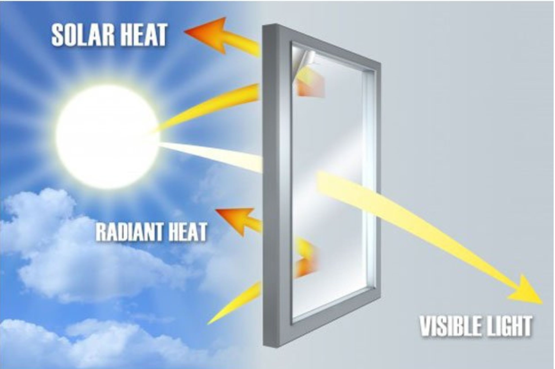
Solar control glass specifically addresses SHGC through enhanced coatings that reduce heat admission without compromising daylight. When paired with aluminium frames engineered to minimise thermal bridging, the entire glazing assembly performs as an integrated thermal barrier rather than individual components.
| Glass Type | SHGC Value | Application |
| Standard Clear 4mm | 0.85 | Minimal solar control |
| Low-E 4mm | 0.74 | Balanced performance |
| Solar Control | 0.30-0.50 | High solar rejection |
| Low-E Double Glazed | 0.70 | Superior insulation |
Does SANS 10400-XA Apply?
SANS 10400-XA establishes mandatory requirements. The 2021 edition increased the fenestration threshold from 15% to 20% of net floor area per storey. Buildings exceeding this ratio must demonstrate compliance through detailed calculations incorporating SHGC, U-values, and shading multipliers.
The calculation formula considers glazing area, SHGC values, heating and cooling shading multipliers, and total U-values for each glazing element. Properties below the 20% threshold comply automatically, whilst larger glazed areas require documented performance verification.
Why Choose SAFIERA-Certified Systems?
SAFIERA certification provides independent verification. The South African Fenestration and Insulation Energy Rating Authority tests complete window assemblies through physical testing and computer simulation.
Origin Aluminium achieved SAFIERA Energy Rating Certifications for the Origin Patio Door and Origin 340 Casement Window in 2013, establishing documented performance values. (View certifications here.)
SAFIERA ratings enable reliable product comparison through standardised labelling. This transparency eliminates guesswork. Architects specify systems with confidence, knowing performance claims rest on verified testing conducted at the CSIR-based Rotatable Guarded Hot Box facility rather than marketing assertions.
Visit AAAMSA for more information on SAFIERA certifications.
Sliding Windows and Cooling?
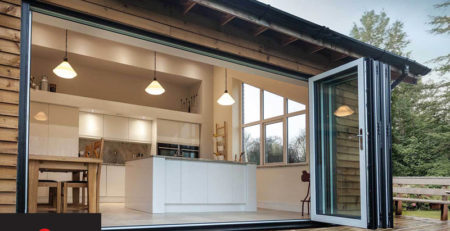
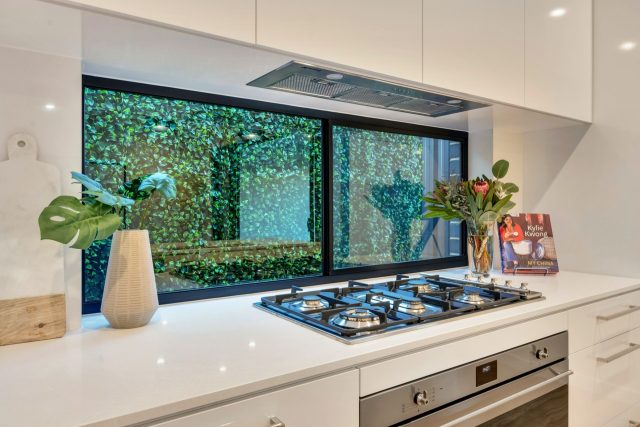
Strategic ventilation reduces mechanical cooling dependency. Origin’s Horizontal Sliding Windows provide expansive openings that facilitate cross-ventilation during moderate weather. When temperatures permit natural cooling, these systems deliver fresh air without compromising structural integrity or weather resistance.
The precision engineering that defines Origin’s approach ensures smooth operation across large spans. Multi-point locking mechanisms maintain security. Drainage systems prevent water ingress. Weather seals perform across temperature extremes. Each detail contributes to long-term operational reliability.
Large-format glazing demands structural rigour. Aluminium’s inherent strength allows slender profiles that maximise glass area whilst maintaining necessary rigidity. The result: unobstructed views, abundant natural light, and the thermal management critical to South African conditions.
Read more: Navigating the Terrain: Challenges and Solutions in Construction Projects
Can Glazing Integrate Smart Technology?
Modern fenestration accommodates automation. Motorised sliding systems respond to environmental sensors, opening during optimal conditions and closing as temperatures rise. Integration with building management systems allows programmed responses: automatic shading deployment, ventilation cycles timed to outside air temperature, and adaptive responses to weather forecasts.
The physical infrastructure supporting such integration requires careful specification. Concealed wiring channels, sensor mounting provisions, and control system compatibility must be addressed during initial design rather than retrofitted. Precision-manufactured aluminium systems provide the necessary detail resolution.
What Makes Aluminium Sustainable?
Material lifecycle considerations matter. Aluminium offers indefinite recyclability without performance degradation. Fabrication energy invested during initial production is retained through multiple lifecycle iterations. Powder-coat finishes eliminate volatile organic compound emissions whilst providing durable, low-maintenance surfaces.
Origin’s SAFIERA-certified profiles demonstrate quantifiable thermal performance, reducing operational energy consumption over decades of service. This operational efficiency typically exceeds embodied energy within the first years of building occupation. The specification decision made today influences environmental impact for generations.
Local manufacturing reduces transportation emissions. Origin maintains facilities across South African metropolitan centres, supporting regional economies whilst minimising supply chain environmental burden. Quality control remains consistent. Technical support stays accessible.
Read more: Energy Efficiency – How Does Your Aluminium Measure Up
Why Performance Over Aesthetics Alone?
Property values reflect building specification quality. High-performance envelopes attract discerning buyers who understand operational cost implications. Lower utility expenses, superior comfort, and documented compliance with energy regulations translate to market premiums.
The thermal comfort difference proves immediately perceptible.
- Spaces maintain consistent temperatures without excessive mechanical intervention.
- Glare is reduced through appropriate SHGC selection.
- UV protection preserves interior finishes and furnishings.
These tangible benefits justify specification investment through daily occupant experience.
Buildings designed without a thermal strategy face inevitable retrofit costs as energy prices rise and regulations tighten. Forward-thinking specification avoids future compromise.
FAQ: Technical Specifications Explained
What SHGC value suits South African climates?
Values between 0.25 and 0.40 provide optimal solar rejection for most South African regions. Coastal and hot inland zones benefit from lower values. Proper shading further enhances performance.
How does Low-E glass affect daylight?
Low-E coatings maintain high visible light transmission whilst blocking infrared radiation. Natural illumination remains abundant. Thermal control improves without sacrificing interior brightness or requiring artificial lighting during daylight hours.
Can single glazing meet SANS 10400-XA?
Buildings with fenestration below 20% of floor area comply automatically without calculations. Larger glazed areas typically require performance glass or double glazing to meet thermal requirements. SAFIERA-certified calculations determine specific compliance paths for each project.
What maintenance do performance windows require?
Regular cleaning maintains coating effectiveness. Inspect seals annually. Lubricate moving components according to manufacturer specifications. Properly maintained aluminium systems deliver decades of reliable service without significant degradation.
How quickly do energy savings accumulate?
Operational savings begin immediately. Reduced cooling loads decrease electricity consumption measurably. Precise payback periods depend on glazing area, energy costs, and system specification. Long-term ownership realises substantial cumulative benefits.
Lasting Quality for Generations
That initial consideration—choosing performance over convenience, specification over compromise—shapes decades of building experience. Summer heat no longer dictates interior comfort. Winter chill stays exterior. The building envelope performs its essential function: mediating climate whilst admitting light and views.
Origin Aluminium’s precision-engineered systems provide that long-term confidence. SAFIERA certification documents performance. SANS 10400-XA compliance ensures regulatory alignment. The investment made today establishes thermal comfort that endures through ownership generations.
The intelligent envelope doesn’t announce itself through ostentatious design. It performs quietly, consistently, delivering the thermal stability that defines genuine luxury. That’s architectural sophistication: invisible excellence that shapes daily life.
Consult with an Origin specialist to specify performance-verified systems for your next project.
Browse Origin’s Sustainable Building insights for continued technical guidance.
For detailed SANS 10400-XA requirements, visit the SANS 10400 resource centre.