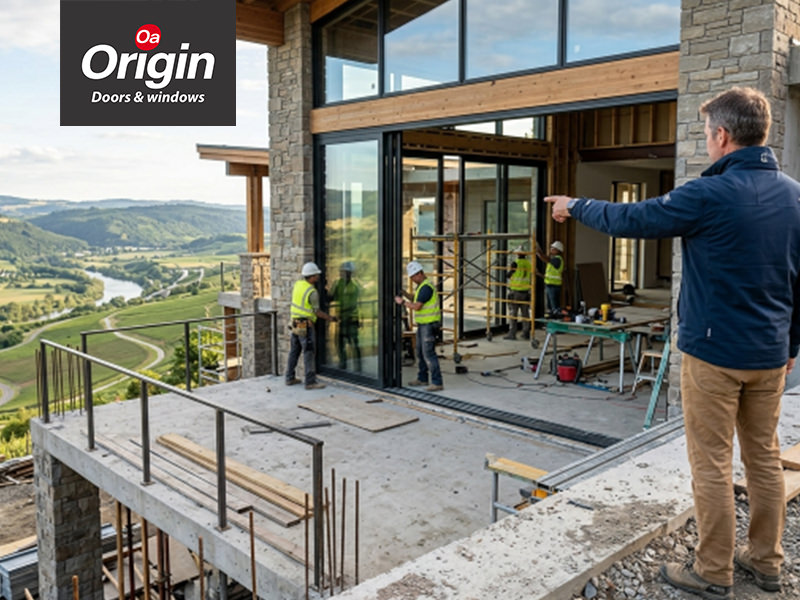
The “Great Opening”: Redefining SA Indoor-Outdoor Living
South African homes in 2026 share one architectural aspiration: the ability to erase the boundary between indoor and outdoor spaces. This trend, known as “The Great Opening”, represents more than aesthetic preference. It reflects changing lifestyles, energy-conscious design, and advances in large-span aluminium engineering that make 6-metre+ openings structurally viable.
Key Takeaways:
- Large-span aluminium systems now achieve 6-metre+ openings without structural compromise
- Thermal-break technology enables compliance with SANS 10400-XA energy requirements
- Multi-point locking and flush-track hardware maintain performance in expansive systems
- Wind-load zone matching determines profile selection for long-term durability
Why is seamless indoor-outdoor living the #1 request in 2026?
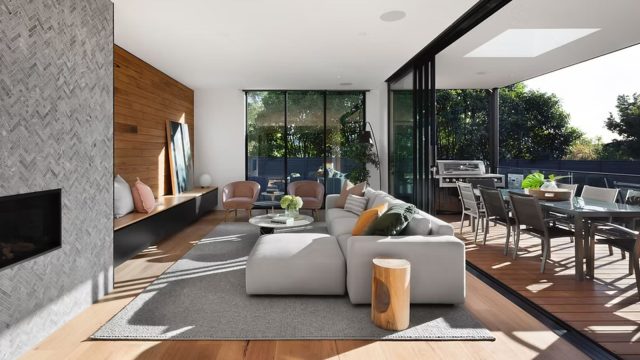
Building design priorities have shifted towards managing heat gain and heat loss more effectively, making the connection between interior and exterior spaces both an aesthetic and functional consideration. South African homeowners want entertainment areas that flow naturally between living rooms and gardens, patios, or pool decks.
This design philosophy aligns with biophilic principles while addressing thermal performance requirements under current energy regulations.
The ability to fully retract or slide large glass panels transforms static living areas into flexible entertainment zones. During mild seasons, these openings effectively double usable square metres for gatherings.
Read more: Bringing the Outside In: Exploring the Magic of Biophilic Design
How do modern aluminium systems span 6 metres without compromising strength?
Engineering advancements in profile design allow contemporary slim aluminium frames to support expansive glass surfaces while maintaining structural integrity. The secret lies in material science and geometry rather than bulk.
High-grade aluminium alloys (typically 6063-T6) provide exceptional strength-to-weight ratios. When extruded into optimised cross-sectional shapes, these profiles distribute loads efficiently across the frame. Multi-chamber designs within the profile add rigidity without increasing visible bulk, preserving the slim sightlines that define modern aesthetics.
Load-bearing calculations account for the weight of glass, wind pressure, and dynamic forces. Manufacturers conduct testing to verify compliance with SANS 10160-3 wind-action standards and AAAMSA performance classifications, ensuring that products meet regional environmental requirements.
What makes large glass surfaces energy-efficient under SANS 10400-XA?
Thermal-break technology represents the critical innovation enabling large glazed openings to meet energy standards. Without thermal breaks, aluminium frames may struggle to meet energy targets, particularly in climate zones with significant temperature variation.
A thermal break is a low-conductivity material (usually polyamide) positioned between the interior and exterior portions of the aluminium profile. This barrier interrupts the thermal bridge that would otherwise allow heat transfer through the metal frame. The result: reduced heat gain in summer and minimised heat loss in winter.
Energy-efficient windows with low-emissivity coatings minimise heat gain or loss, while double-glazed or triple-glazed units enhance thermal performance. When paired with thermally broken frames, these glazing specifications enable large openings to exceed baseline energy requirements.
SANS 10400-XA Compliance for Large Openings
The standard addresses insulation of walls and roofs, solar heat gain and conductance of glazing, energy used for hot water, and energy used for lighting. For fenestration specifically, compliance follows two routes:
| Compliance Route | Requirements | Application |
| Prescriptive Method | Tables specify R-values, glazing U-values, and shading coefficients by energy zone | Standard residential projects |
| Performance Modelling | Certified thermal calculation software demonstrates equivalent or better energy usage | Custom designs, large glazed areas |
South Africa is divided into energy zones based on heating and cooling energy requirements. Each zone establishes minimum thermal-insulation targets. Projects featuring extensive glazing often require performance modelling to demonstrate compliance, as the prescriptive method may prove restrictive for non-standard designs.
Can flush-track systems maintain accessibility and locking performance?
Flush-track technology eliminates raised thresholds, creating barrier-free transitions between indoor and outdoor spaces. This feature addresses both accessibility requirements and aesthetic preferences for uninterrupted floor planes.
The engineering challenge involves integrating drainage without compromising structural performance. Contemporary flush-track designs incorporate concealed channels that manage water infiltration while maintaining clean sightlines. Weatherproofing depends on precision manufacturing and proper installation.
Multi-point locking mechanisms distribute engagement points along the full height of the door panel. When the handle activates, multiple locking points engage simultaneously at the frame’s top, middle, and bottom sections. This configuration provides physical protection across the entire opening rather than relying on a single latch point.
For sliding systems spanning multiple metres, roller mechanisms bear significant weight. Premium hardware specifications include stainless steel rollers with high load ratings, adjustable carriages for alignment, and corrosion-resistant finishes suitable for coastal environments.
Read more: The 6-Metre Sanctuary: How Biophilic Design and “The Great Opening” Define the 2026 Green Standard
How does the wind-load zone affect profile selection?
SANS 10160-3 Wind Action profoundly changed calculation methods for determining appropriate profile strength. South Africa’s diverse geography creates varying wind-load zones from coastal areas experiencing high wind speeds to sheltered inland regions.
AAAMSA classifications (A1 through A6) rate products according to performance against wind, water, and air pressure. These ratings enable specification matching between environmental demands and product capabilities.
Coastal developments, high-rise buildings, and exposed sites require higher classification products to withstand sustained wind forces and pressure cycling. Incorrectly specified systems risk deflection, water infiltration, or structural failure during severe weather events.
Professional specification involves:
- Identifying the site’s wind-load zone
- Calculating design wind pressures for the specific elevation and exposure
- Selecting profiles and hardware rated for calculated loads
- Verifying glass thickness and type meet safety and structural requirements
What role does certified glazing play in large openings?
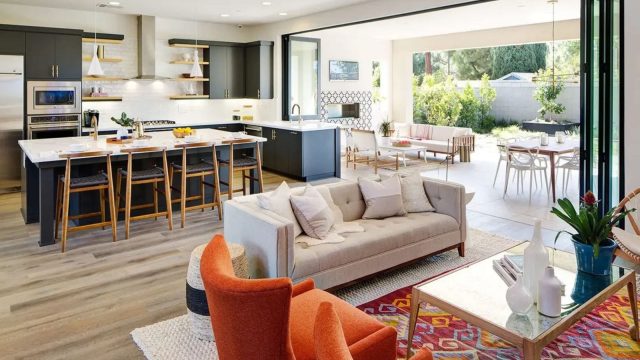
Glazing in structures exceeding 10m height, overhead or sloped glazing, and glass flooring must be signed off and approved by a Competent Person Glazing registered with the South African Glass Institute. Even at lower heights, large glass panels require careful specification.
Toughened glass provides resistance to breakage and breaks predictably when it does fail, offering safety advantages. For large openings, laminated safety glass often provides the optimal balance of strength, safety, and acoustic performance.
Double-glazed units combine multiple performance characteristics: thermal insulation, noise reduction, and solar control. Air or argon gas fills the space between glass panes, with the primary benefit being insulation and solar control.
AAAMSA works with the South African Glass and Glazing Association to issue mandatory Glazing Certificates required for Occupancy Certification. This regulatory framework ensures installed glazing meets safety and performance standards.
Read more: The Intelligent Envelope: Smart Glass, Solar Management, and the Future of South African Luxury
What are common mistakes when specifying large openings?
- Underestimating wind loads leads to deflection and performance degradation. Coastal and elevated sites experience forces that exceed standard residential assumptions.
- Neglecting drainage design creates water infiltration risks. Large openings intercept substantial rainfall volumes during storms. Without proper drainage capacity and weatherproofing, leaks develop at sill and jamb connections.
- Specifying inadequate glass thickness for panel dimensions risks deflection or failure. Glass selection requires engineering calculations, not assumptions based on smaller window sizes.
- Overlooking thermal performance impacts long-term comfort and energy costs. High-performance glass can underperform if paired with poorly designed frames.
- Selecting hardware based on initial cost rather than load ratings and durability results in premature wear. Systems operating daily under substantial panel weight require premium roller assemblies and locking mechanisms.
How do you choose the right profile for your specific requirements?
- Begin by determining your site’s wind-load zone. This information establishes baseline performance requirements. Consult SANS 10160-3 or engage a structural engineer for elevated or exposed sites.
- Identify the energy zone for your location. The CSIR developed the Energy Zone Map showing areas and boundaries of seven energy zones throughout South Africa. This determines minimum thermal performance targets.
- Consider opening width and panel configuration. Sliding, folding, and stacking systems each have optimal span ranges and stacking characteristics. The available space for panels when open affects system selection.
- Evaluate environmental exposure. Salt air, industrial pollution, and UV intensity influence material specifications and finish selection. Coastal installations benefit from anodised or powder-coated finishes with high corrosion resistance.
Large-span aluminium systems in South Africa represent the convergence of architectural ambition and engineering capability. Advances in thermal-break technology, profile design, and hardware engineering make 6-metre+ openings viable while meeting energy regulations and performance standards.
The result transforms how South Africans experience their homes, blurring traditional boundaries between interior and exterior living spaces. For projects considering these systems, aluminium manufacturers that combine AAAMSA certification, thermal performance testing, and engineering support can guide specification decisions that balance aesthetic goals with long-term durability.
For more information on specifying large span openings, feel free to chat with the team at Origin Aluminium.
Frequently Asked Questions
Q: What is the maximum span achievable with modern aluminium door systems? Contemporary engineered profiles routinely achieve 6-metre spans, with some systems extending to 8 metres depending on configuration and wind-load requirements.
Q: Do large glass openings always fail SANS 10400-XA compliance? No. Thermal-break technology and low-E glazing enable large openings to meet or exceed energy standards when properly specified and modelled.
Q: How often do multi-point locks require maintenance? Quality mechanisms typically require annual inspection and lubrication. Coastal installations may need more frequent attention due to salt exposure.
Q: Can existing openings be retrofitted with flush-track systems? Retrofits are possible but require structural assessment. Floor height differences and drainage provisions often limit application to new construction or major renovations.
Q: What warranty should I expect for large-span aluminium systems? Reputable manufacturers provide 10-year warranties on profiles and hardware. Glass units typically carry separate warranties from 5 to 10 years, depending on the specification.